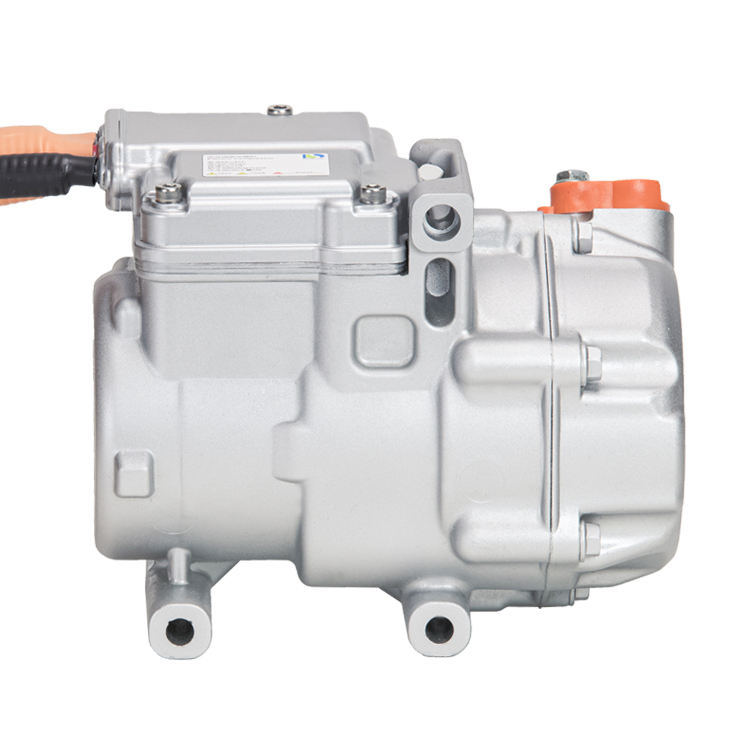
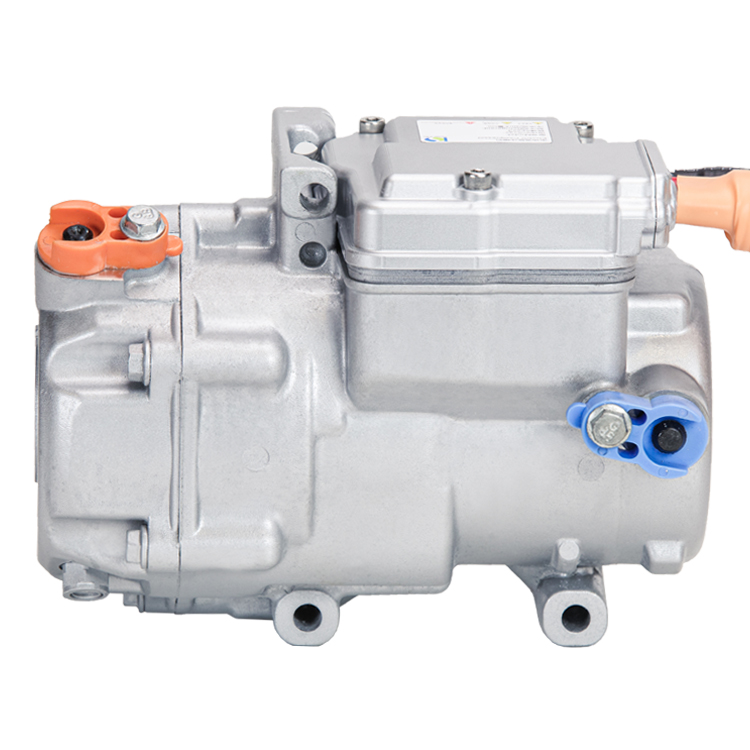
**Innovative Developments in Electric Bus AC Compressor Technology Drive Sustainable Public Transportation Forward**In recent years, the transportation sector has seen a significant shift toward sustainability, with electric buses emerging as a cornerstone in the effort to reduce urban pollution and carbon emissions. Central to this evolution is the advancement of electric bus air conditioning (AC) compressor technology—a critical component ensuring passenger comfort while maintaining energy efficiency. Recent developments in this field are setting new standards for performance, reliability, and environmental compatibility.### Enhancing Electric Bus Climate Control SystemsThe AC compressor in an electric bus plays a vital role in the vehicle’s overall efficiency. Unlike traditional internal combustion engine vehicles, electric buses rely on electric AC compressors powered directly by the vehicle’s battery system. This design eliminates the need for engine-driven compressors, thereby reducing mechanical complexity and improving energy utilization. Advancements in electric AC compressor technology are now focusing on increasing cooling capacity, reducing power consumption, and ensuring durability under rigorous operating conditions.A notable breakthrough in this sector includes the integration of variable speed drive systems, which allow the compressor to adjust its output dynamically based on cooling demands. This not only enhances passenger comfort but also significantly lowers energy usage, extending the vehicle’s driving range—a critical factor in the adoption of electric public transportation.### Commitment to Quality and InnovationThe company behind these advancements has a long-standing commitment to innovation and quality in automotive components. With extensive experience in electric vehicle HVAC (heating, ventilation, and air conditioning) systems, the company combines cutting-edge research with practical engineering to deliver products that meet both regulatory standards and end-user expectations.By focusing exclusively on electric vehicle applications, the company has developed tailored solutions that address the unique challenges of electric bus environments, such as limited power availability and the need for lightweight, compact components. Their electric AC compressors undergo rigorous testing to ensure optimal performance across diverse climates and operational scenarios—ranging from cold winters to sweltering summer heat.### Environmental Impact and Energy EfficiencyElectric bus AC compressors contribute significantly to the overall environmental benefits of electric public transportation. Traditional bus air conditioning systems often rely on refrigerants with high global warming potential and consume considerable amounts of fuel. In contrast, the latest electric AC compressors utilize environmentally friendly refrigerants and are designed to minimize energy consumption. This results in lower greenhouse gas emissions, both directly through reduced refrigerant leaks and indirectly via decreased electricity demand when powered by renewable energy sources.Moreover, improvements in compressor efficiency mean that electric buses require less battery capacity dedicated to climate control. This allows for either a reduction in battery size—translating to lighter vehicles and lower production costs—or an extension of driving range, making electric buses more attractive to city transit agencies.### Supporting Sustainable Urban MobilityThe integration of advanced electric AC compressors is part of a broader strategy to promote sustainable urban mobility. Comfortable, reliable, and energy-efficient climate control systems enhance the attractiveness of electric buses to both operators and passengers. Cities worldwide are increasingly investing in electric bus fleets to meet air quality targets and improve residents’ quality of life, and high-performance HVAC components are critical to these efforts.By providing electric AC compressors that meet the highest standards of durability and performance, the company supports transit agencies in deploying buses that can operate efficiently even under heavy usage cycles and varying environmental conditions. This reliability ensures consistent service for passengers, helping to build confidence in electric public transportation.### Future Outlook and Industry TrendsLooking ahead, ongoing innovations in electric bus HVAC systems will continue to push the boundaries of what is possible. Integration with smart vehicle controls and real-time climate monitoring systems promises to optimize compressor operation further, tailoring cooling and heating outputs to precise passenger needs while maximizing energy savings.In addition, developments in materials science and manufacturing techniques are expected to reduce the weight and cost of compressors, facilitating wider adoption of electric buses globally. As the sector moves toward standardization and interoperability, components such as electric AC compressors will become even more critical in delivering seamless, high-quality electric mobility solutions.### ConclusionThe recent advancements in electric bus AC compressor technology represent a significant step forward in creating sustainable, efficient, and passenger-friendly public transportation systems. Through innovation, quality engineering, and a focus on environmental impact, the industry is overcoming traditional challenges associated with electric vehicle climate control.By enabling longer operating ranges, reducing energy consumption, and supporting reliable operation across diverse conditions, these state-of-the-art compressors are essential to the widespread adoption of electric buses. As cities worldwide strive for greener transit options, the role of advanced electric AC compressors will continue to be integral in driving the future of sustainable urban mobility.---This news piece highlights the importance of electric bus AC compressors in the broader context of clean transportation and reflects the company's commitment to innovation and sustainability in electric vehicle components.
Read More